
Understanding Industrial Engineering: Key Concepts, Challenges, and Applications
Industrial Engineering has emerged as a critical discipline in the modern world of manufacturing, logistics, and operations management. At its core, industrial engineering focuses on designing, improving, and optimizing complex systems, processes, and organizations. Professionals in this field combine knowledge of engineering, mathematics, and management principles to ensure efficient production, minimal waste, and effective resource utilization. Industrial engineering is not limited to manufacturing—it extends to healthcare, supply chain management, service industries, and even software development.
The role of industrial engineering is increasingly significant in an era defined by rapid technological advancements, globalization, and competitive markets. By implementing systematic approaches to analyze workflows, optimize processes, and enhance productivity, industrial engineers create value for organizations while minimizing operational costs. The industrial engineering, is central to understanding the wide-ranging impact this field has on modern industries and businesses.
Industrial engineering also integrates human factors into its methodology, emphasizing ergonomics, safety, and employee satisfaction. While many may associate industrial engineering solely with machines and production lines, it equally addresses the human element within systems. This holistic approach ensures that processes are not only efficient but sustainable and user-friendly.
Core Principles of Industrial Engineering
Industrial engineering operates on several core principles that guide practitioners in improving systems. One of the primary principles is process optimization, which involves evaluating workflows, identifying bottlenecks, and implementing strategies to increase efficiency. By focusing on process optimization, industrial engineers can reduce costs, save time, and improve product quality.
Another fundamental principle is systems thinking. Industrial engineering views an organization as an interconnected system where changes in one part can impact the whole. For example, adjusting production schedules may influence inventory management, labor allocation, and customer satisfaction. A systems approach ensures that decision-making considers all variables, preventing unintended consequences.
Quality control and continuous improvement are also central to industrial engineering. Methods such as Six Sigma, Lean Manufacturing, and Total Quality Management enable engineers to systematically reduce errors and enhance performance. These approaches not only improve productivity but also strengthen customer satisfaction and organizational competitiveness.
Applications of Industrial Engineering in Various Industries
Industrial engineering is versatile, with applications across multiple industries. In manufacturing, industrial engineers design assembly lines, streamline production processes, and ensure effective inventory management. They focus on maximizing output while minimizing resource consumption, waste, and downtime. This approach directly influences profitability and operational sustainability.
In healthcare, industrial engineering is applied to optimize hospital operations, patient flow, and resource allocation. Efficient scheduling of staff, equipment, and procedures can improve patient outcomes, reduce wait times, and lower operational costs. Industrial engineers also play a key role in designing medical supply chains and ensuring that essential resources are available when needed.
The logistics and supply chain industry benefits significantly from industrial systems. Engineers analyze transportation routes, warehouse layouts, and inventory systems to ensure goods move efficiently from suppliers to consumers. By applying industrial engineering principles, organizations can reduce shipping costs, improve delivery times, and enhance overall customer satisfaction.
Even in service sectors like banking, retail, and IT, industrial engineering principles help streamline workflows, optimize staffing, and implement effective project management strategies. The versatility of industrial engineering demonstrates its critical role in enhancing performance across diverse domains.
Balancing Efficiency and Human Factors
A unique challenge in industrial systems is balancing operational efficiency with human factors. While automation and process optimization can increase productivity, they can also impact employee satisfaction and safety if not carefully managed. Industrial engineers must consider ergonomics, workplace safety, and employee engagement when designing processes.
For example, in manufacturing, optimizing production lines for speed must not compromise worker safety or lead to excessive fatigue. Similarly, in service industries, streamlining workflows should enhance employee efficiency without increasing stress or reducing job satisfaction. This balance is essential for sustainable success, as human factors directly affect productivity, retention, and organizational culture.
Challenges in Industrial Engineering
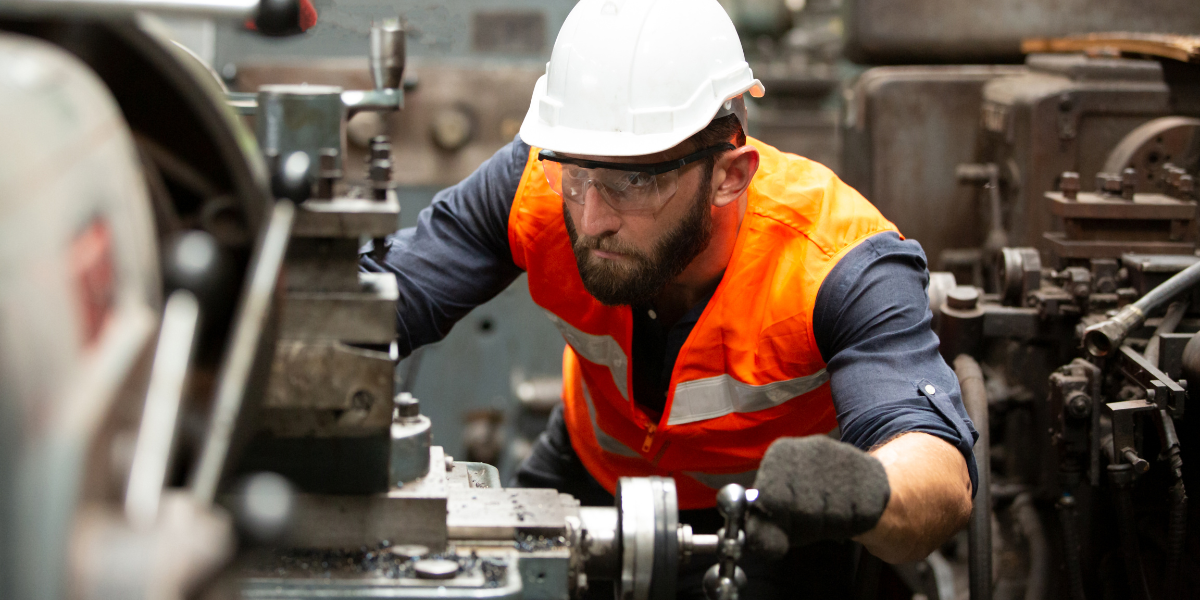
Despite its many benefits, industrial engineering faces several challenges. One major challenge is data complexity. Modern industrial engineers rely on vast amounts of data to make decisions, from production metrics to customer preferences. Managing, analyzing, and interpreting this data effectively requires advanced analytical tools, statistical knowledge, and a deep understanding of system dynamics.
Another challenge is adapting to rapid technological changes. Emerging technologies such as artificial intelligence, robotics, and the Internet of Things (IoT) are transforming industrial processes. Industrial engineers must continuously update their skills and methodologies to leverage these technologies effectively. Failure to adapt can result in inefficiencies, increased costs, or missed opportunities.
Industrial engineering also involves trade-offs. Optimizing one aspect of a system may negatively impact another. For instance, reducing production costs may compromise quality or flexibility. Engineers must carefully evaluate these trade-offs and make informed decisions that balance competing priorities.
The Role of Industrial Engineering in Sustainability
Sustainability has become a key consideration in modern industrial systems. Organizations are increasingly focused on reducing their environmental impact while maintaining efficiency. Industrial engineers contribute by designing processes that minimize waste, conserve energy, and promote recycling.
For example, Lean Manufacturing principles reduce material waste, while efficient supply chain design lowers carbon emissions. Industrial engineers also analyze lifecycle impacts of products, ensuring that sustainability considerations are integrated into the entire production process. This emphasis on sustainability not only benefits the environment but also enhances corporate reputation and compliance with regulations.
Industrial Engineering and Technological Innovation
Technological innovation is a driving force in industrial systems. Tools such as simulation software, predictive analytics, and automated monitoring systems enable engineers to model processes, predict outcomes, and implement improvements. These technologies enhance decision-making accuracy and reduce the risk of costly errors.
Automation and robotics are particularly transformative. Industrial engineers design automated workflows to improve consistency, reduce human error, and enhance production speed. However, technology adoption must be carefully managed to ensure compatibility with existing systems and workforce capabilities. Industrial engineers play a critical role in integrating technology while maintaining operational balance.
Industrial Engineering Education and Skills
Becoming an industrial engineer requires a strong foundation in mathematics, engineering principles, and management concepts. Key skills include statistical analysis, process modeling, problem-solving, project management, and knowledge of quality control methodologies.
Education programs in industrial systems also emphasize practical experience through internships, laboratory work, and project-based learning. Continuous professional development is essential due to the evolving nature of industries and technological advancements. Industrial engineers must remain adaptable, analytical, and innovative throughout their careers.
Future Trends in Industrial Engineering
The future of industrial engineering is shaped by several emerging trends. First, the integration of AI and machine learning into industrial processes is expanding. These technologies enable predictive maintenance, optimized scheduling, and intelligent decision-making. Industrial engineers will increasingly collaborate with data scientists and IT specialists to harness these capabilities.
Second, sustainability and green engineering will continue to gain importance. Companies will prioritize environmentally responsible practices, requiring industrial engineers to design energy-efficient systems and sustainable production processes.
Third, the rise of Industry 4.0—the integration of cyber-physical systems, IoT, and smart factories—will revolutionize manufacturing and supply chains. Industrial engineers must develop expertise in digital tools and systems thinking to navigate this new landscape effectively.
Conclusion
Industrial engineering is a dynamic and multifaceted discipline that impacts virtually every sector of modern industry. By optimizing processes, improving efficiency, and balancing human and technological factors, industrial engineers create value for organizations while addressing complex operational challenges.
The field demands a combination of analytical skills, technological literacy, and a deep understanding of human and system dynamics. Whether applied to manufacturing, healthcare, logistics, or service industries, industrial systems remains a critical driver of efficiency, innovation, and sustainability.
As industries evolve and new technologies emerge, the role of industrial systems will continue to expand, offering opportunities for professionals to make a significant impact on organizational performance and societal well-being. Understanding its principles, challenges, and applications provides valuable insight into the importance of industrial systems in today’s competitive and rapidly changing world.