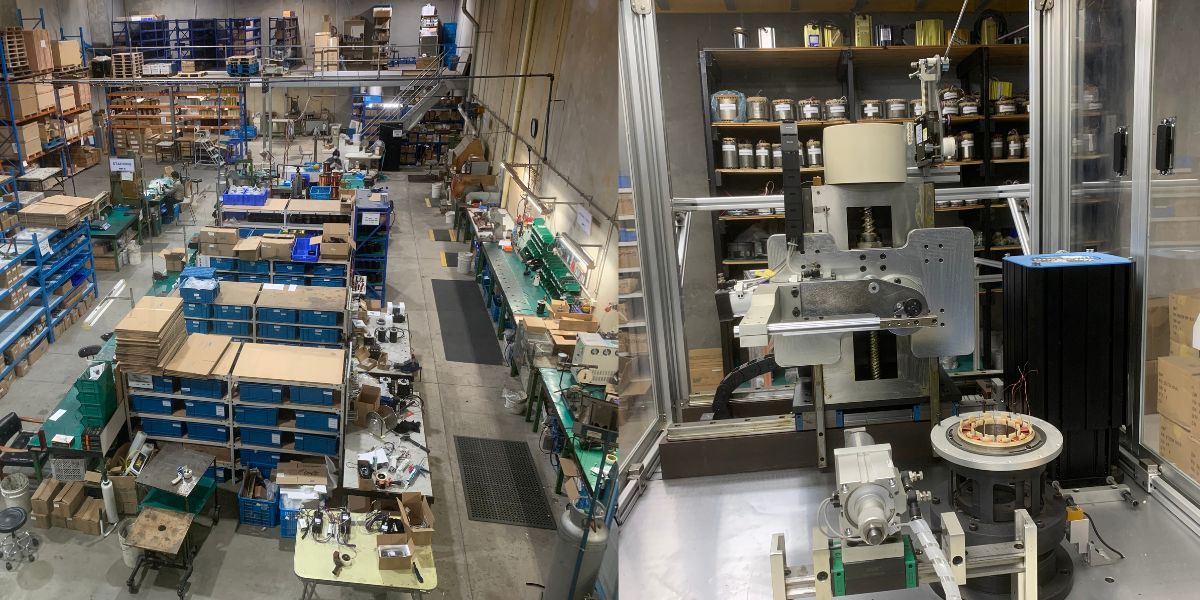
Modern Manufacturing: Innovations, Challenges, and Strategic Insights
Modern manufacturing has revolutionized the way goods are produced, distributed, and consumed in the global economy. As businesses seek efficiency, scalability, and sustainability, advanced manufacturing practices play a critical role in shaping industrial operations. Understanding advanced manufacturing is essential for organizations aiming to maintain competitiveness, adopt advanced technologies, and respond to evolving market demands.
The concept of modern manufacturing extends beyond traditional production processes. It encompasses automation, smart factories, digital supply chains, and advanced analytics, making it a cornerstone of contemporary industrial strategies. Staying updated with developments in advanced manufacturing allows companies to optimize production, reduce costs, and enhance product quality, creating a competitive advantage in increasingly complex markets.
Modern manufacturing also impacts economic growth, workforce development, and environmental sustainability. By integrating advanced technologies, businesses can streamline operations while minimizing waste and energy consumption. The importance of modern manufacturing cannot be overstated, as it directly influences productivity, innovation, and market responsiveness in multiple industries worldwide.
The Evolution of Modern Manufacturing
Modern manufacturing has evolved significantly from the traditional assembly-line methods pioneered during the Industrial Revolution. Today, the integration of digital technologies, robotics, and data-driven decision-making defines the core of advanced manufacturing practices. Companies now leverage sophisticated systems to monitor production in real-time, optimize resource allocation, and improve overall operational efficiency.
Industry 4.0 represents a major milestone in the evolution of advanced manufacturing. This approach emphasizes the integration of smart technologies, including the Internet of Things (IoT), artificial intelligence (AI), and machine learning, into manufacturing processes. Modern manufacturing under Industry 4.0 transforms factories into interconnected ecosystems where data drives predictive maintenance, process optimization, and supply chain efficiency.
The shift towards advanced manufacturing also reflects changes in consumer expectations. Customers increasingly demand customized, high-quality products delivered faster and more efficiently. Modern manufacturing addresses these demands by enabling flexible production methods, rapid prototyping, and adaptive supply chains that respond dynamically to market conditions.
Key Technologies Driving Modern Manufacturing
Several technologies define advanced manufacturing and enable its transformative impact on industrial operations. Automation and robotics remain central, enhancing precision, productivity, and safety. Advanced robotic systems can perform repetitive or hazardous tasks, reducing labor costs while improving consistency and product quality.
Digital twins and simulation technologies are another cornerstone of advanced manufacturing. By creating virtual replicas of physical production systems, companies can test new processes, predict performance, and identify potential issues before implementation. Industry reports frequently highlight digital twins as a tool that accelerates innovation and minimizes operational risks.
Artificial intelligence and machine learning are also critical components. Modern manufacturing leverages AI to analyze vast amounts of production data, optimize workflows, and forecast maintenance needs. Predictive analytics enables manufacturers to anticipate equipment failures, reduce downtime, and maintain consistent output levels, reinforcing the value of advanced manufacturing strategies.
Sustainability in Modern Manufacturing
Sustainability is a major factor influencing advanced manufacturing. Companies are increasingly adopting environmentally responsible practices to reduce carbon footprints, minimize waste, and comply with regulatory standards. Modern manufacturing integrates energy-efficient processes, sustainable materials, and circular economy principles to align with global sustainability goals.
Industry stakeholders recognize the trade-offs involved in pursuing sustainability. Implementing eco-friendly production methods may increase upfront costs or require specialized training. However, advanced manufacturing demonstrates that long-term benefits—such as enhanced brand reputation, regulatory compliance, and cost savings through efficient resource use—often outweigh initial challenges.
Industry leaders also emphasize the importance of considering environmental impact when making decisions in advanced manufacturing. Sustainability is no longer optional; it has become a critical element of operational strategy, driving innovation and influencing customer preferences in global markets.
Challenges in Modern Manufacturing
Despite the significant advantages, advanced manufacturing faces several challenges that businesses must navigate carefully. One primary challenge is the complexity of integrating advanced technologies into existing systems. Legacy equipment, workforce skill gaps, and interoperability issues can hinder the full adoption of modern manufacturing techniques.
Cybersecurity is another major concern. As advanced manufacturing relies on interconnected digital systems, the risk of cyberattacks increases. Protecting sensitive production data, intellectual property, and operational control systems is critical for maintaining operational integrity and minimizing disruptions.
Additionally, workforce adaptation presents a challenge. Modern manufacturing requires employees to possess advanced technical skills in areas such as robotics, AI, and data analytics. Organizations must invest in training programs and continuous learning initiatives to bridge skill gaps, ensuring that the workforce can effectively leverage new technologies.
Modern Manufacturing and Supply Chain Optimization
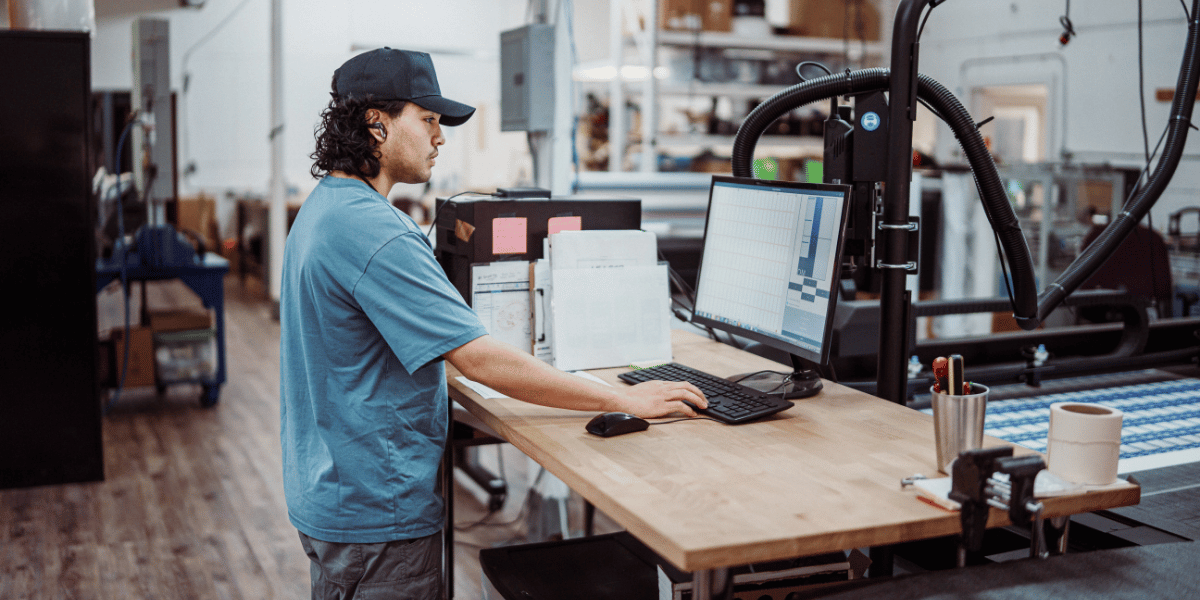
Supply chain management is a central component of advanced manufacturing. Efficient, responsive supply chains are critical for meeting customer demands and managing production costs. Modern manufacturing integrates digital tools to enhance visibility, track inventory, and optimize logistics, ensuring that materials and products move seamlessly through the supply chain.
The adoption of real-time monitoring, predictive analytics, and IoT sensors enables advanced manufacturing to identify bottlenecks, reduce lead times, and improve overall efficiency. These technologies also facilitate proactive risk management, allowing manufacturers to respond swiftly to disruptions such as supply shortages, transportation delays, or geopolitical events.
Moreover, advanced manufacturing emphasizes collaboration with suppliers and partners. Digital platforms and cloud-based systems enable real-time communication, data sharing, and coordinated decision-making, reinforcing supply chain resilience and operational agility.
Quality Control in Modern Manufacturing
Maintaining high-quality standards is essential in advanced manufacturing. Advanced monitoring technologies, including AI-powered inspection systems and sensors, allow manufacturers to detect defects in real-time, minimize waste, and ensure product consistency. Industry news frequently reports on innovations in quality control as a key driver of competitive advantage in advanced manufacturing.
Modern manufacturing also incorporates predictive maintenance to enhance equipment reliability. By analyzing data from machines, manufacturers can anticipate failures and perform maintenance proactively, reducing downtime and improving overall product quality. These approaches exemplify how technology integration directly impacts operational efficiency and customer satisfaction.
Trade-offs exist in balancing quality and cost. While implementing advanced quality control systems may require investment, the long-term benefits include reduced defect rates, increased customer trust, and lower operational risks, reinforcing the strategic importance of advanced manufacturing practices.
Economic and Market Impacts of Modern Manufacturing
Modern manufacturing significantly influences economic growth and market dynamics. By increasing production efficiency, reducing costs, and enabling innovation, advanced manufacturing strengthens competitiveness in both domestic and global markets. Companies that adopt advanced manufacturing strategies can respond rapidly to changing consumer preferences, gaining a distinct market advantage.
Economic factors such as labor costs, material availability, and trade policies also interact with modern manufacturing strategies. Industry reports often emphasize that successful manufacturers consider these variables carefully to optimize production decisions, minimize risks, and maximize profitability.
Additionally, modern manufacturing contributes to job creation and workforce development. While automation may reduce repetitive roles, the demand for skilled professionals in technology, engineering, and data analysis grows, illustrating the dual economic impact of advanced manufacturing.
The Future of Modern Manufacturing
The future of advanced manufacturing is poised for continued innovation and transformation. Emerging technologies such as additive manufacturing (3D printing), advanced robotics, and AI-driven supply chains will further redefine industrial processes. Modern manufacturing will continue to prioritize sustainability, efficiency, and customization, meeting evolving market demands.
Digital integration, including cloud computing and data-driven analytics, will remain central to advanced manufacturing strategies. The use of real-time data to inform decision-making, optimize operations, and forecast market trends will become increasingly sophisticated, reinforcing the value of technology-driven approaches.
Globalization and collaborative networks will shape future advanced manufacturing landscapes. Companies will increasingly engage in cross-border partnerships, share knowledge, and leverage global supply chains to enhance flexibility, scalability, and innovation. These developments highlight the interconnected nature of modern manufacturing and its impact on global markets.
Conclusion
Modern manufacturing is a transformative force shaping industries, markets, and economies worldwide. By integrating advanced technologies, sustainable practices, and data-driven strategies, advanced manufacturing enhances efficiency, quality, and competitiveness. Understanding advanced manufacturing is crucial for businesses seeking to innovate, reduce operational risks, and adapt to evolving market conditions.
The trade-offs involved in technology adoption, sustainability initiatives, and workforce development underscore the strategic complexity of advanced manufacturing. Companies that navigate these challenges effectively can leverage advanced manufacturing to achieve long-term success, operational excellence, and market leadership.
Advanced manufacturing is not merely a production strategy; it is a dynamic ecosystem where technology, innovation, and strategic planning converge. Organizations that actively embrace modern manufacturing principles are better positioned to thrive in a rapidly evolving industrial landscape, ensuring resilience, growth, and competitiveness for years to come.